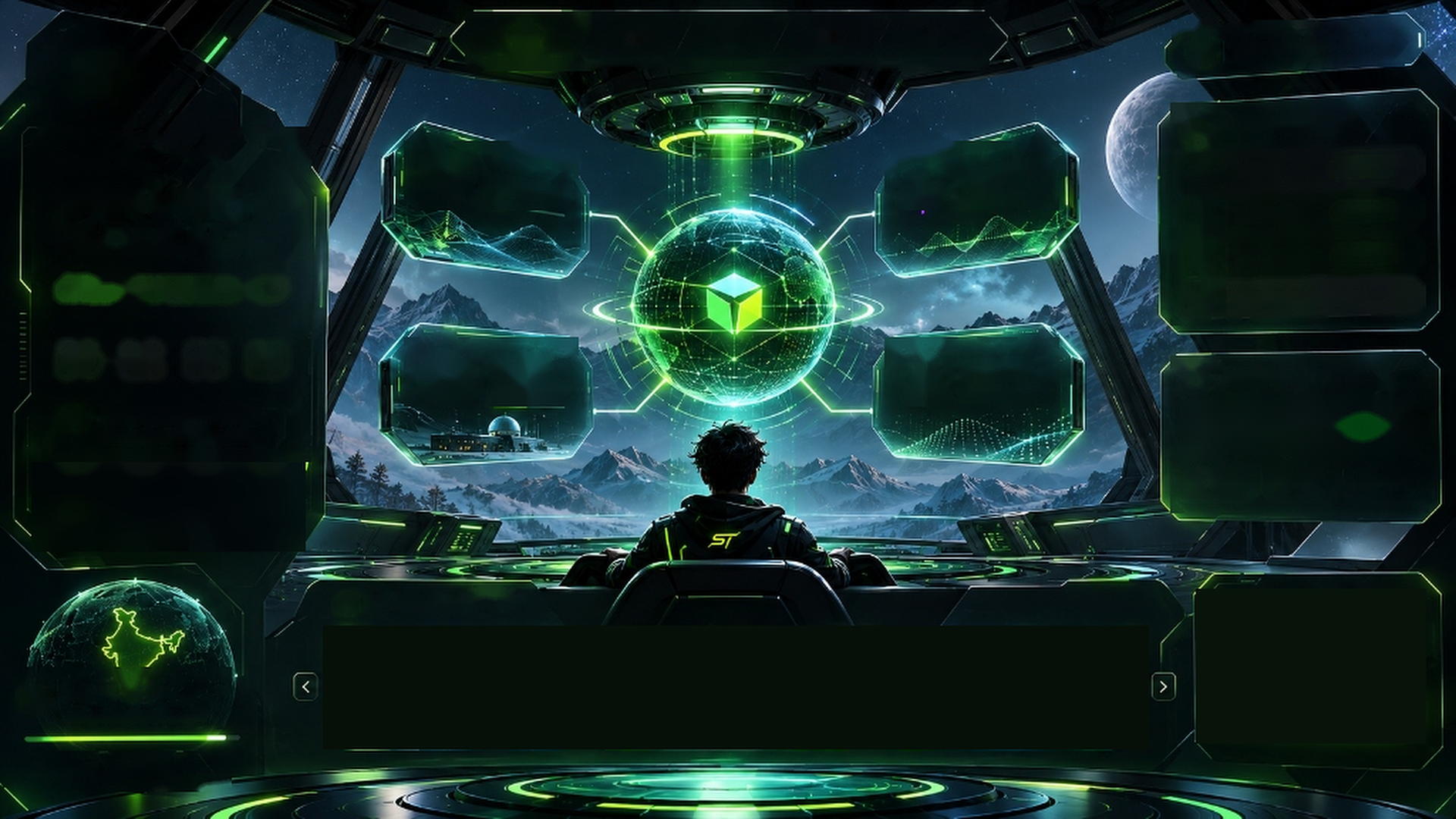
F.R.I.D.A.Y. ARCHITECTURE
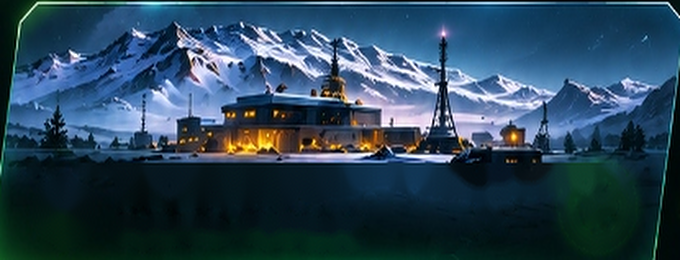 OUTPOST TELEMETRY SIMULATION // ANTARCTIC SECTOR
Autonomous Spatial Situational Awareness
F.R.I.D.A.Y. is a reference architecture connecting simulated remote research-station telemetry with a deterministic multi-agent orchestration layer and a spatial mission-control HUD.
Bridging Raw Telemetry & Safe Agent Action
Conventional monitoring dashboards overwhelm operators with disconnected charts, while unconstrained AI agents pose unacceptable execution risks when wired directly to infrastructure actuators.
Sensor frames originate at the Research Station layer, undergo rolling Z-score normalization at the Edge Computing node, and project into an immutable Digital Twin state graph. Diagnostic agents query read-only state snapshots and submit typed action proposals to Mission Control.
RESEARCH STATION → MISSION CONTROL ARCHITECTURE
Remote Environmental Telemetry Origin
Simulates harsh-environment outpost sensors (atmospheric pressure, thermal arrays, power grid load, and acoustic arrays) generating structured telemetry packets.
- Physical/Simulated Sensor Arrays
- Sub-station Heartbeats
- Signed Telemetry Frames (JSON/CBOR)
- Anomaly Interrupts
Implemented vs. Simulated Layers
- Implemented: Interactive spatial HUD, deterministic policy sandbox, multi-agent DAG state transitions, and telemetry schema validators.
- Simulated: Physical Antarctic outpost hardware arrays are modeled via deterministic synthetic telemetry generators.
Declarative Tool Proposals Over Direct RPC
Rather than granting agents direct RPC credentials to subsystem actuators, agents emit declarative JSON intent objects. This guarantees that every proposed state mutation can be inspected, simulated on the Digital Twin, and gated by human approval.
Operational Constraints & Scope
State synchronization currently models discrete JSON/CBOR frames at 10Hz polling intervals; ultra-high-frequency vibration telemetry (>1kHz) requires edge FFT downsampling prior to twin ingestion.